
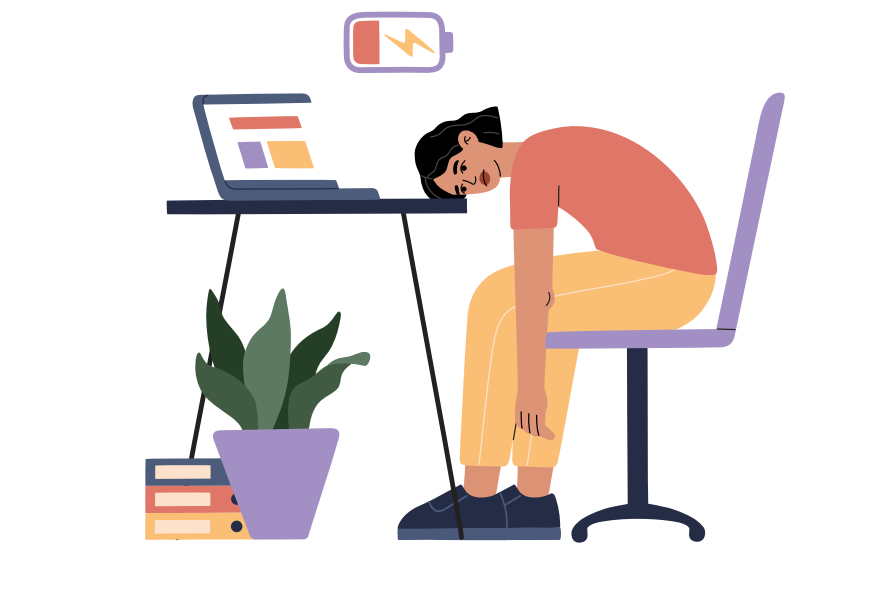
In today’s society, we are constantly surrounded by technological devices, endless tasks, and the pressure to multitask. It often feels like 24 hours in a day aren’t enough, especially for adults juggling work, family, and household responsibilities. The overwhelming to-do lists can easily become burdensome, leading to a state of burnout.

Burnout, mental health, multitasking and maintaining focus are increasingly pressing topics in workplace discussions. Elisa Kallunki’s recent article on Yle highlights the rising burnout rates in Finland, particularly since the onset of the pandemic. Many individuals have found that balancing work and life has become more challenging, and the uncertainty about the future has only added another layer of stress. Burnout has become a widespread issue across industries, making it more crucial than ever to address its underlying causes and develop practical solutions.
Studies from Finland reveal that work ability and motivation have not yet returned to their pre-pandemic levels. The pandemic has left a lasting impact, with burnout symptoms becoming more common. While chronic fatigue was once seen as the most prominent symptom, more people are now reporting cognitive challenges, such as difficulties with focus and information management. Cynicism, a key symptom of burnout, is also on the rise.
The Weight of Uncertainty
One of the most significant contributors to this trend is the uncertainty surrounding the future. Employees are increasingly concerned about job security, potential changes at work, and the growing influence of artificial intelligence, which could drastically reshape industries. In many workplaces, co-determination negotiations related to budget cuts have further intensified feelings of instability, leaving employees anxious about their future.
This uncertainty is affecting young employees in particular. People under 36 are experiencing burnout at higher rates than ever before. Supervisors, who are tasked with managing their teams through these difficult times, are also showing signs of exhaustion. While managers may report lower levels of burnout compared to their staff, they are far from immune to the pressures of leadership in such a volatile environment.
Strategies for Mitigating Burnout
To address the growing burnout crisis, it’s essential to implement strategies that help employees manage stress and improve their overall well-being. Open communication is vital—regular conversations about mental health and well-being can give employees the space to voice their concerns. These discussions can increase a sense of support and understanding during uncertain times, such as during co-determination negotiations.

Strengthening key workplace resources is also crucial. Self-efficacy, which empowers employees to feel confident in their roles, fair treatment across all levels, and autonomy in decision-making can all make a significant difference in how employees cope with stress. Creating a strong sense of community within the workplace can boost self-esteem and create a supportive network that helps employees navigate difficult times. Helping the workers to avoid multitasking is also a central mission to prevent burnout. Constant task-switching causes a lot of cognitive burden, leading to chronic stress.
In the face of uncertainty, it’s easy for negativity to take root. However, building a “landscape of hope” by focusing on the positives and strengthening what’s already working well can help employees feel more motivated and resilient. Many employees are also grappling with information overload, especially in remote work environments where virtual meetings and a constant flow of messages can become overwhelming. Streamlining communication and reducing unnecessary virtual interactions can alleviate this burden and make work more manageable.
Personal Strategies for Prevention
In addition to workplace changes, there are personal strategies that can help prevent burnout. Taking regular breaks throughout the workday is essential for recharging. Maintaining a healthy diet, incorporating physical activity, and safeguarding adequate rest are equally important. It’s also beneficial to disconnect from technology at least an hour before bed, which can improve sleep quality and mental clarity. Strictly doing one thing at the time and taking proper breaks are more efficient than trying to overdo. The brain can’t focus on multiple things and if you try to, you increase unnecessary stress in the brain.
Moving Toward a Healthier Work Culture
Burnout is a growing challenge in today’s fast-paced world, but with a focus on open communication, strengthened workplace resources, and individual well-being practices, we can begin to tackle this issue and create healthier, more supportive environments for employees.