
How often do you find yourself scrolling on your phone before bed or checking notifications during work hours? In a world where technology is constantly at our fingertips, achieving balance has never been more important. Technology is becoming an essential part of our lives, and it feels odd to leave our devices at home. Using a regular watch is becoming less common, and ITC skills are now a must for everyday tasks, such as paying bills, as credit cards, or also as transportation tickets.
This relationship with technology and our smartphones can have many positive aspects. Still, it also has numerous negative effects that we know can impact our brain health and mental well-being. Excessive phone use, binge-watching our favorite TV shows, or simply playing video games can reduce our physical activity, decrease our ability to be present, and make us less focused.
This article will focus on finding a balance with technology, which could be a good first step to start 2025.
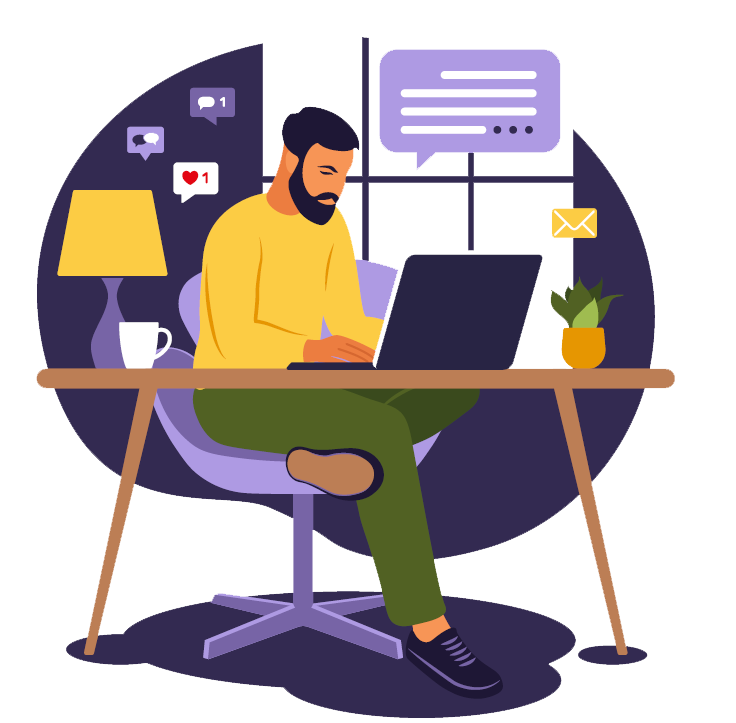
Work-Life Balance: Navigating Flexibility and Permeability
As we’ve mentioned in a previous blog post, research by Gloria Mark shows that people typically focus for an average of 47 seconds before switching to another task. The presence of a smartphone close to our work computer is most likely a big source of distraction.
According to research by Nam T. (2014), technology has a significant impact on two key aspects of work-life balance: flexibility and permeability. Technology has provided flexibility, especially since COVID-19, allowing people to work from home and whenever they want. However, this flexibility can also blur the boundaries between personal and work life, leading to overwork or distractions, such as answering calls, texting friends or family, or engaging in personal business during work hours.
Permeability refers to the degree of overlap between work and personal life. High permeability allows work and personal life to blend easily, such as answering work emails during family dinner or taking personal calls at the office. Low permeability, on the other hand, establishes clear boundaries, like turning off work notifications after hours or having a dedicated workspace separate from living areas. Striking a balanced level of permeability promotes flexibility—like stepping away from work to handle a personal errand during the day—while protecting mental well-being by ensuring neither domain dominates the other.
Over-reliance on technology can lead to feelings of dissatisfaction and difficulty focusing on one task at a time. This can be especially true in everyday life, where being constantly surrounded by technology means we must set boundaries to achieve balance.

Practical Tips for Achieving a Healthier Tech Balance
Here are some strategies to help balance your use of technology and improve your overall well-being:
1. Protect Your Eyes: The 20-20-20 Rule
The 20/20/20 rule encourages taking a break from the screen every 20 minutes by looking at something 20 feet away for 20 seconds. This simple practice can help alleviate digital eye strain. A study by Datta et al. (2023) suggests that implementing this rule can reduce asthenopic symptoms, minimizing discomfort during prolonged screen use.
If you can’t step away every 20 minutes, you can try the Pomodoro technique instead. Focus for 25 minutes, then take a 5-minute break. After completing four rounds, take a longer break to recharge.
2. Mindfulness in the Morning: Meditate!
Start meditating after you wake up—even just two minutes with your eyes closed is a great start. As you incorporate this habit, you’ll gradually find it hard to stop and may naturally increase your meditation time. This practice helps clear your mind, reduces stress, and improves focus throughout the day.
3. Sleep Well, Live Well: Remove Your Phone from Your Bedside
Many of us use our phones as alarms, keeping them next to the bed and often falling asleep with them. Try replacing your phone with a regular alarm clock. If you’re worried about missing the alarm, consider purchasing one that automatically rings every 5 or 10 minutes before you deactivate it.
At first, if you don’t feel comfortable, place the phone alarm in another room close to your bedroom, and place the alarm clock next to your bed. You’ll likely find that you wake up before the phone alarm rings. This habit is tough at first, but it offers great benefits for your sleep. Instead of scrolling through your phone before bed, try reading a chapter of your favorite book.
4. Do More Physical Activity Without Your Device
Go for a walk, do some yoga, or attend gym classes without your phone. Many people bring their phones to the gym to listen to music, but they often end up distracted by notifications. This not only disrupts focus but can also increase cognitive load, which research suggests may negatively impact physical performance. If you really need music, try downloading playlists ahead of time or, at the very least, set your device to offline mode to avoid distractions.
5. Set Boundaries Between Work and Private Life
This is especially important when working from home, but it also applies when you’re in the office. Set a schedule with colleagues if you are working remotely so they know when you’re available for work-related matters and when you can focus on personal time. If you’re working from home or in the office, private life should not interfere during working hours unless there’s an urgent matter. In such cases, inform your colleagues so they are aware.
When working on a task, avoid distractions by turning off notifications. This will help you focus on the task at hand and maintain a sense of control over your work-life balance.
Conclusion: Start 2025 with a Tech Balance

I hope you found this blog post useful in understanding why it’s important to balance your time with and without electronic devices. Starting the year by setting boundaries and including new tech-habits can help improve your mental health and care for your body. Too many distractions can reduce your focus and lead to dissatisfaction, severely affecting your brain and overall well-being. Let’s take care of ourselves and our brains!
Start by implementing one of these tech balance habits today. How do you plan to cut down on distractions in 2025? Let’s start this journey toward a more balanced and focused life together!
References:
- Datta, S., Sehgal, S., Bhattacharya, B., & Satgunam, P. N. (2023). The 20/20/20 rule: Practicing pattern and associations with asthenopic symptoms. Indian Journal of Ophthalmology, 71(5), 2071-2075. https://doi.org/10.4103/ijo.IJO_2056_22
- Nam, T. (2014). Technology use and work-life balance. Applied Research Quality Life, 9, 1017–1040. https://doi.org/10.1007/s11482-013-9283-1