
As artificial intelligence (AI) becomes more established in our daily routines, it’s transforming how we approach work, improving our capabilities and presenting new challenges. From automating repetitive tasks to analyzing vast amounts of data, AI is reshaping industries, allowing employees to work smarter, faster, and better. However, as AI-powered tools become increasingly common, there are valid concerns about their impact on human skills, mental well-being, and even job security.
This article examines the benefits and drawbacks of AI in the workplace, based on recent research, and discusses how organizations can embrace AI responsibly to support a balanced, productive work environment and mostly how AI can be effective for our mental health and brain care.
1. The Rise of AI-Augmented Workplaces
AI is no longer confined to science fiction or specialized tech fields; it has become a part of everyday work life across industries. In sectors like healthcare, AI assists in managing patient records, predicting diagnoses, and improving treatment processes. Education now features adaptive learning platforms powered by AI, allowing teachers to personalize learning experiences based on each student’s needs. Meanwhile, in the corporate world, AI increases productivity by automating administrative tasks, although it also raises concerns about job displacement and economic inequalities.
2. The Daily Impact of AI-Augmentation on Employees
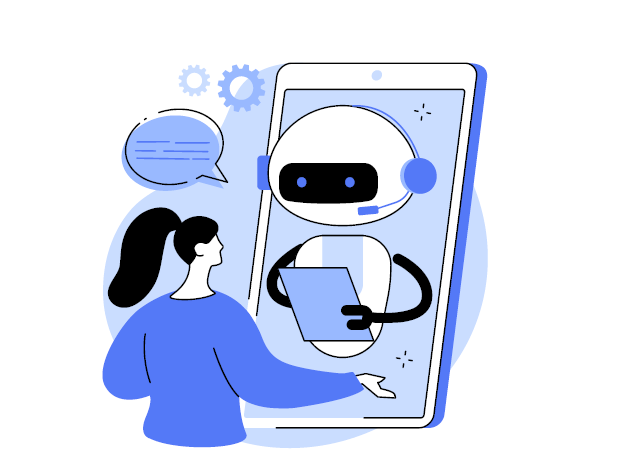
A daily diary study has shown that AI-augmented tools can positively influence employees’ performance and well-being by improving efficiency and reducing cognitive load, particularly for complex or data-intensive tasks. However, the frequent use of AI also introduced challenges, with employees reporting issues like information overload and decision fatigue.
Some notable findings from this study include:
- Knowledge & Performance Gains: Employees who frequently used AI tools experienced increased knowledge acquisition and task performance.
- Information Overload: High reliance on AI tools can overwhelm users with data, leading to decision fatigue and hindering recovery at the end of the workday.
Factors influencing these outcomes include an individual’s openness to new experiences and mood. Employees with a positive outlook and openness to learning adapted more easily, often viewing AI as an opportunity for personal growth. However, those who lacked these traits were more likely to feel overwhelmed, indicating that a nuanced approach to AI integration is essential for minimizing fatigue and burnout.
3. Balancing the Pros and Cons of AI in the Workplace
In her article 24 Advantages and Disadvantages of AI, Mary K. Pratt highlights both the positive impacts and the challenges that AI brings to modern workplaces:
Advantages
- 24/7 Availability: AI can operate continuously, maintaining productivity outside of traditional business hours.
- Increased Efficiency & Precision: By automating repetitive tasks, AI allows employees to focus on higher-value activities requiring creativity and strategic thinking, and it reduces errors, promoting a safer work environment.
- Democratization of Knowledge: AI makes specialized expertise more accessible, helping smaller organizations benefit from insights that were once the domain of larger firms.
Disadvantages
- Skill Loss & Dependency: Over-reliance on AI could lead to a reduction in core skills, as employees become accustomed to AI-driven solutions and may lose foundational abilities over time.
- Lack of Empathy: AI, while excellent with structured tasks, lacks the emotional intelligence necessary for human-centered customer service, which could impact customer satisfaction.
- Ethical and Privacy Concerns: AI brings with it concerns about data privacy, transparency, and accountability. Organizations need to navigate these complexities responsibly to maintain trust.
Striking a balance between these pros and cons is crucial. While AI offers unprecedented capabilities, over-dependence could risk dehumanizing work environments, reducing employee engagement, or even harming job satisfaction.
4. Moving Toward Responsible AI Implementation
To successfully integrate AI, companies should emphasize responsible use that considers employees’ well-being and productivity. Here are some best practices:
- Create Clear Usage Guidelines: Provide employees with clear guidance on when and how to use AI tools, helping them avoid over-reliance or inappropriate use.
- Promote Digital Literacy: Equip employees with skills that complement AI, enabling them to engage with AI confidently and make informed decisions.
- Maintain Human-Centric Customer Service: Blend AI efficiency with human empathy in customer-facing roles to create more positive customer interactions.
- Implement Ethical Standards: Develop ethical frameworks that address privacy, data security, and fairness, building trust among employees and customers alike.
5. Improved Brain Health through Balanced AI Integration
AI has the potential to redefine productivity, learning, and personal growth in the workplace. However, to fully leverage its benefits and minimize its downsides, a balanced approach is essential. Thoughtful integration of AI tools, which prioritizes both operational effectiveness and human-centered principles, can help improve a supportive work environment that increases productivity while safeguarding employee well-being.
Through responsible AI integration, organizations can enable employees to focus on creative, high-value tasks and drive growth in a way that keeps workplaces adaptable and human-focused. However, it’s essential to maintain a clear understanding of the AI tools in use, guaranteeing that they serve as facilitators rather than replacements for human creativity and critical thinking. Instead of letting AI take over tasks and risk creating “average” turnouts, companies should view AI as a means and a way to amplify and support human capabilities.
By facilitating tasks to be completed more efficiently, AI allows employees the time to relax, recharge, and engage in other significant activities, promoting a healthier, more creative, and ultimately more productive workplace.
As we see positive results from AI, it’s evident that people can benefit from the time saved and use this time to work more on their brain health care. This involves encouraging regular breaks from screens, promoting physical activity, and helping employees understand that it’s okay to prioritize well-being. By facilitating tasks to be completed more efficiently, AI allows employees the time to relax, recharge, and engage in other significant activities, promoting a healthier, more creative, and ultimately more productive workplace.
References
Shao, Y., Huang, C., Song, Y., Wang, M., Young Ho Song, & Shao, R. (2024). Using Augmentation-Based AI Tool at Work: A Daily Investigation of Learning-Based Benefit and Challenge. Journal of Management. https://doi.org/10.1177/01492063241266503
Jindal, A., & Sharma, A. (2024). THE IMPACT OF ARTIFICIAL INTELLIGENCE ON SOCIETY. ResearchGate. https://doi.org/10.13140/RG.2.2.18522.96968
Pratt, M. K. (2023). 24 advantages and disadvantages of AI in the workplace. TechTarget. Retrieved from https://www.techtarget.com
Follow us to explore practical tips and insights to help you thrive in the jungle of modern life as Focus Tigers. ?? We fix your focus!
Interested in making your team Focus Tigers? Contact us here!